
Money leaks are small, easily overlooked expenses and everyday habits that slowly drain your money over time. The good news? Once you know where to look, they’re usually easy to fix, and the savings can make a big difference to your finances without requiring you to sacrifice anything major.
Common Money Leaks You May Not Be Noticing
From unused subscriptions to impulse buys and avoidable fees, these common money leaks can add up faster than you think.
Unused Subscriptions
This is such a common money leak that it’s almost a cliché. It’s so easy to sign up for a service and forget about it, especially when the subscription only bills you once a year.
One strategy is to use a specific credit card for all of your subscriptions. Then, if you want to wipe the slate clean, you can simply cancel that card. When it’s time for a subscription to renew, the companies will contact you to let you know that your card isn’t working. This allows you to decide whether you want to give them a new card or not.
You can also use Lunch Money reports, tags, and spending rules to make these recurring charges easier to track.
Impulse Online Purchases
Shopping online barely feels like spending money sometimes, which makes it incredibly easy to overspend. Push a button, and a few days later, a fun package shows up at your door.
Unfortunately, all those easy purchases can lead to some serious budget issues.
One way to curb impulse purchases is to limit your ordering to once per month. Go ahead and put the items you want to buy in your cart, but don’t check out. Set aside one day per month to put in the orders.
This will give you some time to think about your purchases and let you see the total amount you are spending before hitting “checkout.” Both of these factors will help you spend less on impulse online purchases.
Dining Out More Than Planned
Most people have a line item in their budget for dining out, but a few unexpected restaurant charges can quickly push you over budget.
Try planning for the times when you may be tempted, or forced, to stop for food. Meal planning and batch cooking are great ways to make sure you have food at home, and can help avoid nights when dinner feels overwhelming, leading to unplanned dining out.
Overlooking Bank and ATM Fees
No one wants to pay fees to access their money. Plan ahead, or switch banks, if you are regularly paying bank or ATM fees.
Many banks offer free checking accounts and either a large ATM network or ATM fee reimbursements. Make sure you understand your bank’s policies, and if you can’t avoid fees, consider switching banks.
Untracked Cash Spending
Often, the cash in your pocket isn’t included in your budget. But that doesn’t mean it’s not spending. If you regularly have cash, for example, you earn tips, then make a point to track what you spend.
Using an old-school cash envelope system works great for cash spending. Create physical envelopes for different budget categories, such as groceries, gas, etc. Then divvy up your cash in the appropriate envelopes. When you spend, take the cash out of that category’s envelope so that it’s tracked.
You can also deposit all your cash into the bank and then spend using your debit card so all transactions go through your budgeting software.
Overpaying for Insurance
Regular bills can go unchecked for years. Insurance companies change their prices every year, and if you don’t shop around, you can easily be paying too much.
Put a reminder on your calendar to get quotes for your various insurance policies once per year. You can use Lunch Money’s reporting features to identify the premiums you are paying and how much you paid. This will help ensure that any new quotes will actually save money.
Unused Gym Memberships
The road to H-E- double hockey sticks is paved with good intentions. Sure, you were going to go to the gym, but keeping that recurring charge as a reminder to work out probably isn’t the motivation you need.
I get it. Canceling your gym membership might mean admitting you aren’t a gym person. But just go ahead and admit that you aren’t using it enough to get the value you deserve.
Instead, see if your gym offers a per-use fee. This may still give you access to the facilities when you need it while still saving money.
Frequent Small “Convenience” Purchases
Small charges, such as $2 at the vending machine, $5 for expedited shipping, a 2% credit card fee, or fees for food delivery, don’t seem like much, but they add up quickly.
Take note of when you spend money on these small charges. If you are regularly indulging in these conveniences, try to come up with a plan to reduce their frequency. For example, if you grab a bag of chips from the vending machine in the break room every day, consider buying a bulk box of your favorite brand to keep at your desk.
Late Fees on Bills or Credit Cards
Late fees are just throwing money away. Not only are you damaging your credit, but you are also putting unnecessary strain on your budget.
If you are paying late fees simply because you have trouble keeping track of when bills are due, then consider setting up auto pay. This will ensure that the bill is paid on time, and it will be one less thing to worry about.
However, if you are paying late fees because you don’t have the funds available, then you’ll want to start working on your budget. Using budgeting software like Lunch Money can help you set a budget that leads to better control of your finances.
High Credit Card Annual Fees
Credit card annual fees can be worth it, but only if you are truly taking advantage of the perks the card offers. If you are paying for luxury travel perks but rarely fly, then you are likely paying for services you aren’t using, such as lounge access or TSA PreCheck.
Review your credit card benefits and ensure that you are receiving enough benefits to justify the annual fee. If not, it’s time to find another card. There are several strong cash-back credit cards that don’t charge an annual fee, and we can all use a little more cash.
Overspending on vacation
Money can feel a little less real when you are on vacation, so it’s easy to overspend. The problem is, you’ll have to deal with all that overspending when you arrive home.
Create a budget for your upcoming vacation and plan it well. Truly understand what you can afford and what you want to spend.
Will you dine out for every meal, or have a free breakfast in the hotel before you head out for the day? Will you want to spring for surfing lessons once you’re on the beach? Are the kids going to talk you into ice cream after dinner every night?
Be realistic about what you will spend and create a budget that allows you to enjoy yourself, without causing a financial hangover.
How Lunch Money Can Help You Spot These Money Leaks
Lunch Money has strong reporting and categorization features that can help you to find those money leaks.
Categories
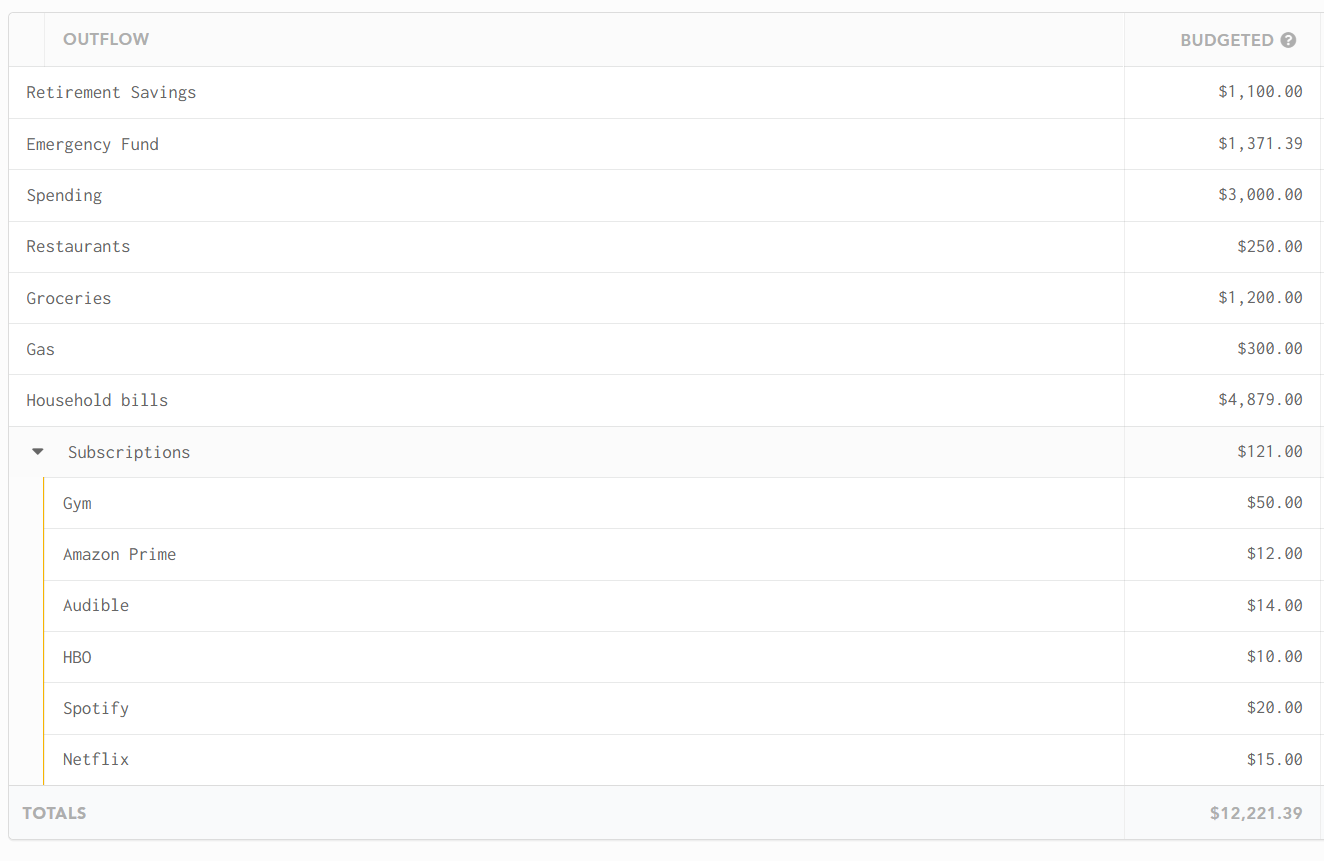
Lunch Money allows you to create both categories and category groups. For example, you could create a category group for “subscriptions” and then list your subscriptions under this group. This allows you to see your total subscription spending at a glance.
As you can see in this example, we are spending a total of $121 on subscriptions, each of which is listed below.
Tags
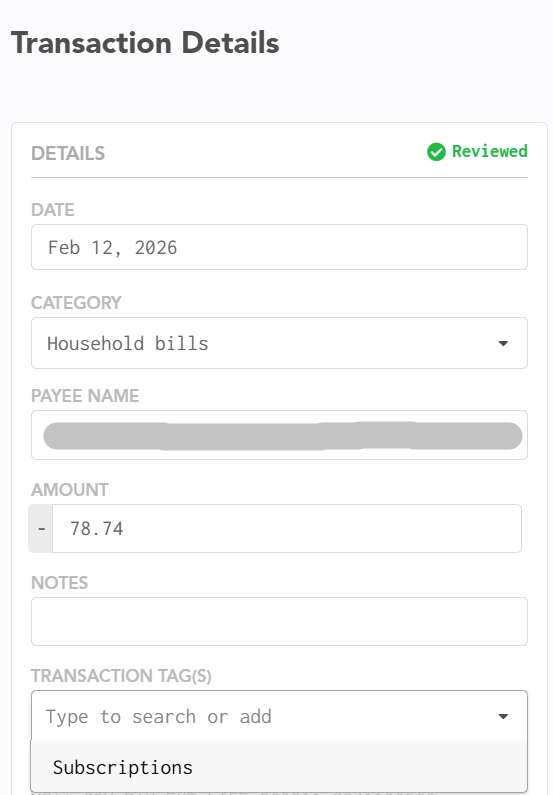
Tags are another great way to keep track of types of transactions. For example, you may not want to keep track of your subscriptions in a category group, and instead have them in a general “household bills” category. In this case, you could create a “subscription” tag.
As you categorize your transactions, you could add “subscription” to your Netflix and Spotify charges. You can then run a report that pulls together all transactions with that tag.
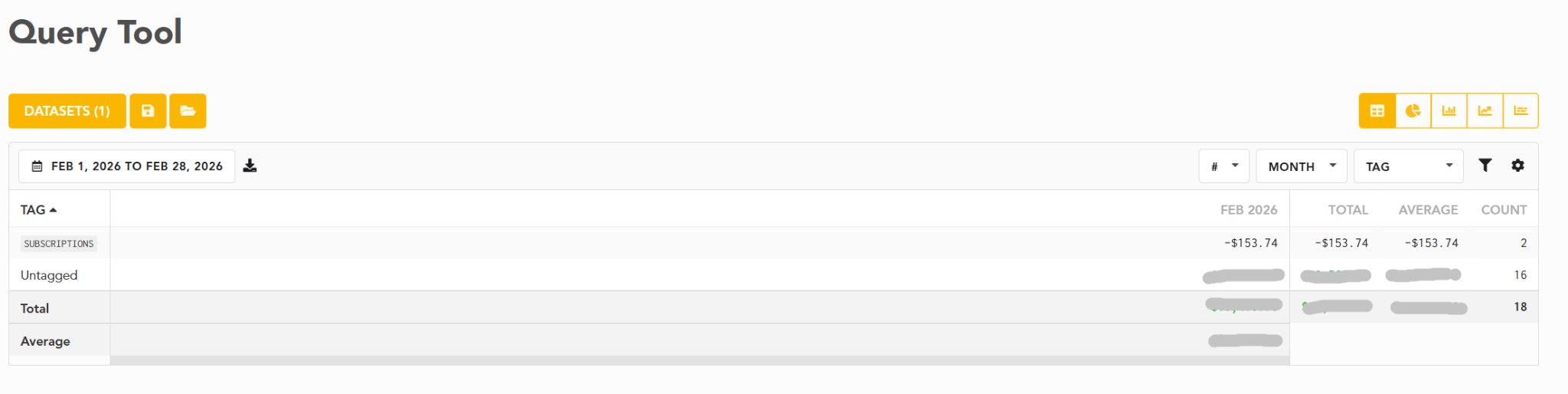
This lets you see how much you are spending on that specific tag, without having to organize them in a specific category.
Here’s how to add a tag:
And here’s an example of a report of the “subscription” tag.
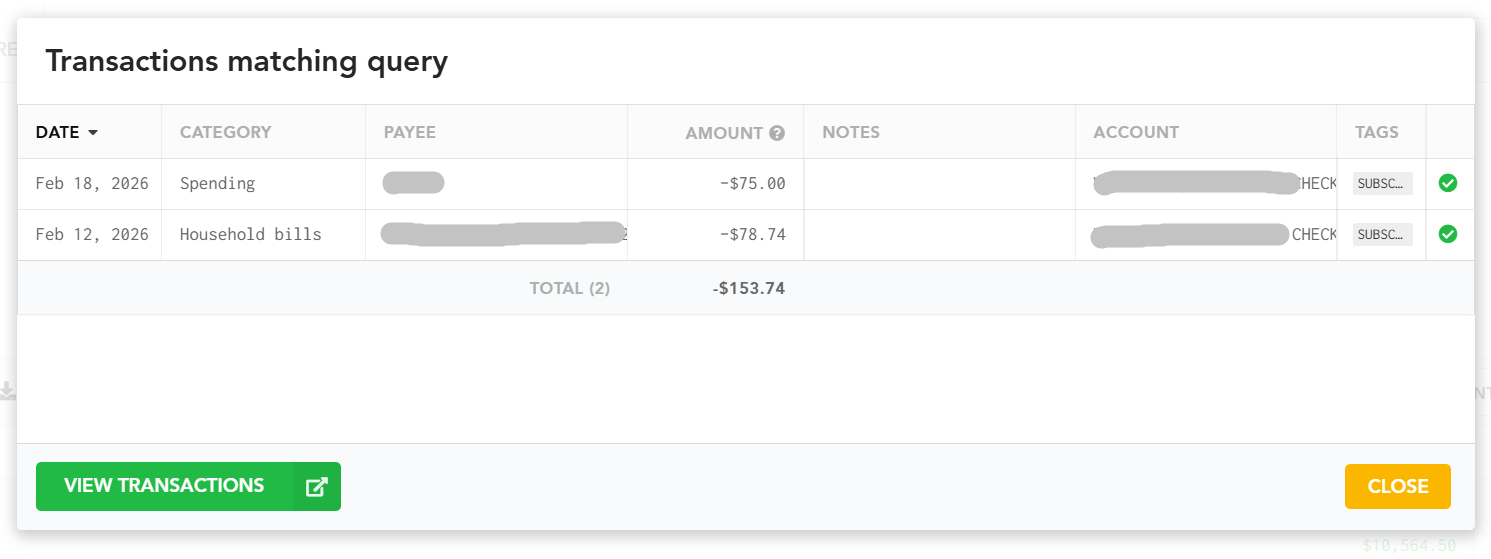
You can then click on the dollar amount to see the individual transactions that make up the total.
Rules
To make all this categorizing even easier, you can set up rules that allow Lunch Money to automatically categorize and add tags. For example, you can tell it Spotify is always a household bill with a “subscription” tag.
Once the rule is set up, all you have to do is approve the transaction.
Summary
Money leaks can be sneaky, but once you know where your money is actually going, you can start making more intentional choices about your spending.
Tools like Lunch Money can help make it easier to organize, track, and analyze your spending, and uncover patterns you might otherwise miss.
By reviewing your spending regularly and eliminating unnecessary costs, you can redirect more of your money toward the goals and experiences that truly matter to you.