
A bad budgeting month can feel discouraging, but it doesn’t mean you’ve failed. Budgeting is a skill, and like any skill, it improves with time and effort. Instead of giving up when things don’t go according to plan, treat the setback as useful. Look at what threw your budget off, make a few adjustments, and start again.
Let go of the guilt
A bad budgeting month doesn’t mean you’re bad at budgeting. A big part of budgeting involves predicting the future, and that’s not always easy, as life doesn’t always follow the rules.
Whenever I have a setback, instead of focusing on where I think I should be, I try to look at how far I’ve come. I ask myself, “If I were starting for the first time today, what advantages do I have now that I didn’t have when I started last time?”
For budgeting, my answers to this question might be:
- I already have a budgeting software I like. (Lunch Money!)
- I have built the habit of categorizing my transactions regularly.
- I have a rough idea of how much I spend in each category.
I’ve come a long way since the first time I ever sat down to budget. In other words, if I were starting fresh today, I’d be much more likely to succeed. That gives me the motivation I need to try again.
So if you are feeling frustrated with budgeting, I encourage you to sit down and list the skills and knowledge you have today that you didn’t have when you made your very first budget.
Perform a simple “Month in Review” audit
Next, take a few minutes to figure out what went wrong. What categories did you overspend in and why?
If you spent more than the allotted amount in a category, it was likely for one of two reasons. Either something unexpected happened, or you were unrealistic about your actual spending.
That’s it. Going over in a category is the result of one of those two reasons.
For example, maybe you went over your clothing budget because you got a new job and needed some business clothes. That’s an unexpected expense, and you can just move on. Of course, you may want to build your emergency fund for unexpected events.
On the other hand, if you went over on your clothes budget because you naturally spend more than you plan for, you’ll want to add more to your clothing budget. This isn’t about what you think you should spend, but what you actually do spend on clothes.
Reviewing your budget in Lunch Money
You can come up with some ways to spend less on clothing later if you want to, but first you’ll need to adjust your budget to reflect reality. Here’s how you can do that in Lunch Money.
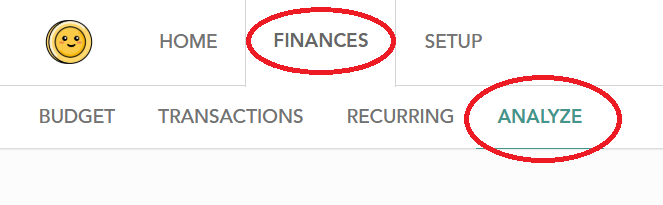
First, head to the report area by clicking on the “Finances” tab and then choosing “Analyze.”
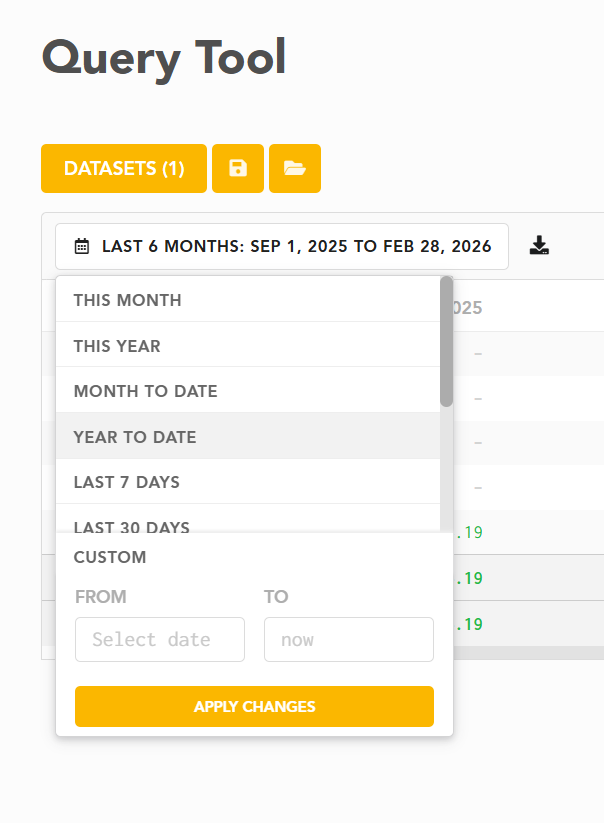
From there, select the date range you want to look at.
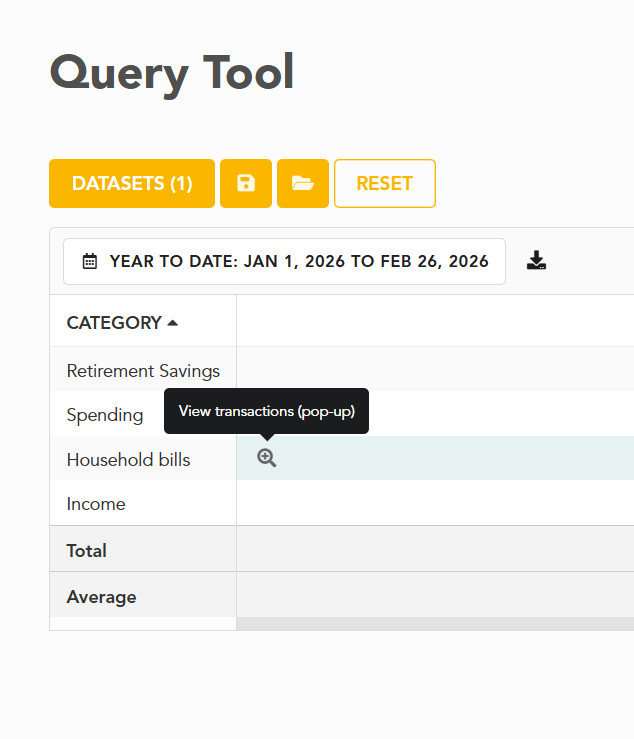
Next, choose the category you want to view, then click the magnifying glass.
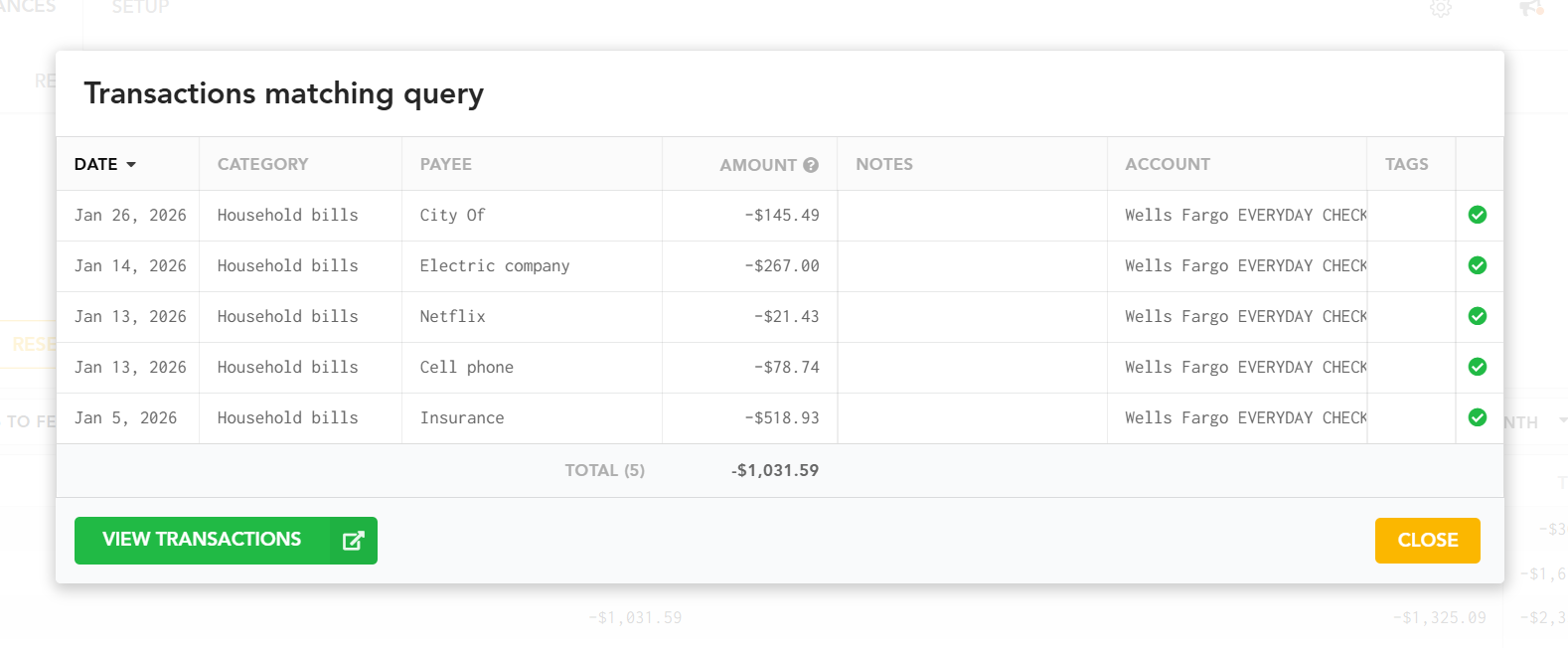
This will display all transactions categorized under that category during the selected time frame.
Create sinking funds
When you pull the above reports, you might find that your spending is “lumpy,” meaning that it fluctuates month-to-month. For example, you may spend more on clothes at the start of winter and summer, but not much outside those seasons.
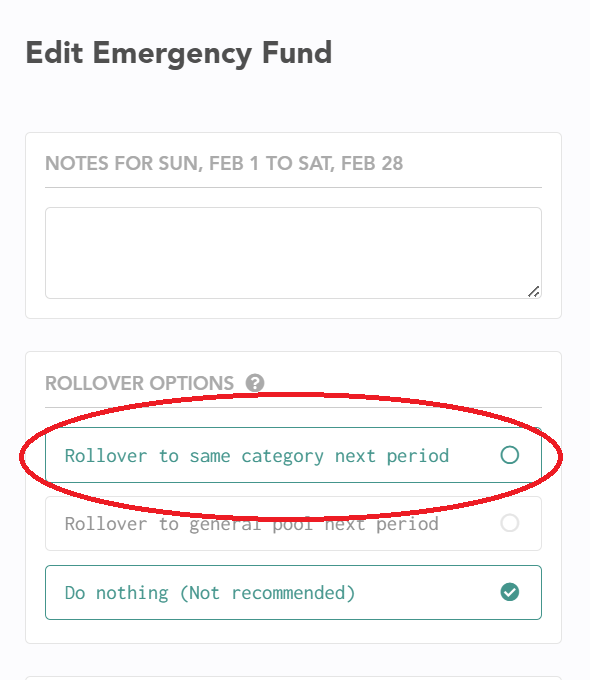
For categories like this, you’ll want to create sinking funds. A sinking fund is a fancy name for a category where you budget a little each month, and whatever you don’t spend rolls over to the next month.
This allows the allotted spend amount to accumulate and be available when spending occurs.
Going back to our clothing example, imagine your reporting says you spend $1,200 a year on clothes, but most of that spending happens in May and October. Rather than trying to predict what you’ll spend each month, you can budget $100 per month for clothing and let that build up so the money is there when you need it.
To make this selection on a specific category, click the “>” arrow on the right of your selected category, as per the image below.

Then choose “Rollover to same category”
Rebuild your budget with minor adjustments
Now that you have a better idea of your spending, it’s time to make adjustments to your budget.
Remember, there is no right way to spend your money. There’s nothing specific you should be doing. Being honest about your spending is the key to building a successful budget. If you find you are spending more than you earn and going more into debt every month, that issue will not be fixed by lying to yourself about it.
So go through your budget and change the category amounts to fit your actual spending. If there’s a category where you want to spend less, then you can work on that over time.
Aim for a recovery month (not a perfect month)
There is no such thing as a perfect month. Any month where you took a step towards your big goals is a great month. Yes, perhaps you overspent on DoorDash, but if you covered it with money from your grocery budget and still met your savings goals, then that’s a success.
Decide what success means to you. It could just mean that you categorized all your transactions. Or that you opened your budget twice a week. Or that you put a little something in savings.
Whatever it is, the most important thing is to not give up. If things go sideways, try again next month.
Begin boosting your emergency fund so the next bad month hurts less
None of us know when emergencies will happen, but we know they will.
That is why it’s important to have an emergency fund. If you don’t have anything saved, even $100 will help. Save what you can, and aim for your first milestone to be an emergency fund that equals one paycheck. This will give you some real breathing room.
Eventually, you’ll want an emergency fund equal to at least six months of expenses. That’s the standard amount according to experts, but feel free to adjust this amount based on your circumstances. If your job is secure, or you have multiple sources of income, you may feel comfortable with less.
However, if you fear layoffs at your job and it’s your only source of income, then you may want to have even more than six months of expenses in savings.
Final thoughts
There are no perfect months when it comes to budgeting. The best thing you can do is build some wiggle room so you can absorb life’s surprises without giving up.
If this month didn’t go as planned, that’s okay. Learn from it, make small changes, and try again. Consistency is what will help you meet your financial goals.