It’s easier than ever to tap “Buy Now” and have something show up at your door in two days (or tomorrow). What’s harder is figuring out whether that purchase is actually worth it. Before you swipe your card, pause for a second and get honest with yourself: What am I buying? Why am I buying it? And does it actually fit with my bigger money goals?
With that in mind, here are 8 additional questions that can help you slow down, think clearly, and make confident financial decisions you won’t regret later.
8 Questions to Ask Yourself Before Making a Big Purchase
1. Do I truly need this?
The difference between needs and wants can be murky. Something can often feel like a need when it’s really a want.
Needs are food, clothing, shelter, and transportation. If it doesn’t fall into that category, then it’s likely a want. A lot of times, a simple version of an item might be a need, but an expensive version is a want.
For example, you may need a winter coat. A used jacket from a thrift store would be a need, while a coat from an expensive designer is a want.
Lastly, just because something is a want doesn’t mean you can’t buy it. But get clear on whether the item you are buying is really a need.
2. Will I still want this in 30 days?
It’s so easy to get swept up in the moment and spend money on something you later don’t care about. This happens on vacation all the time. Somehow, you think you really will wear that Hawaiian shirt when you get home, but then it sits in your closet, never to see the light of day.
Take a step back and consider if you will actually use this item long term, or if you just caught up in the moment.
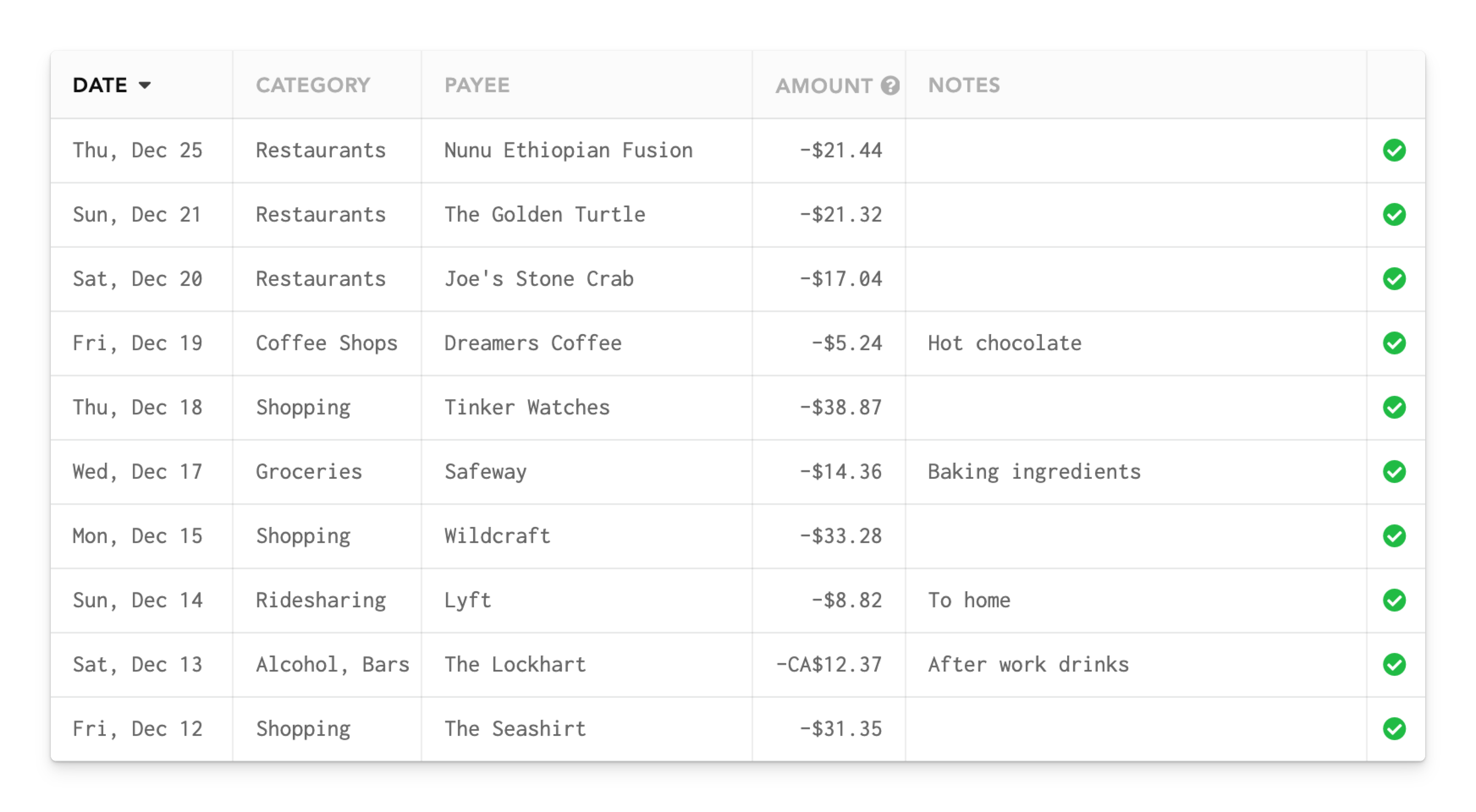
Pro tip: Lunch Money can help with this by letting you review your transactions as they come in. Seeing a purchase again later gives you another chance to reflect on whether it truly added value, and can help you make better decisions next time.
3. Is there a cheaper or used version?
Before you make a purchase, consider how you will use the item and which features you truly need. If there is a less expensive version with fewer bells and whistles, you can save money by buying a simpler one.
Also, consider buying used. You’d be surprised at what people will sell online, and the internet makes it easy to arrange for payment and pickup without giving too much personal information.
4. Can I afford it without financing?
If you have to finance a purchase, you should carefully reconsider it. Taking on debt commits your future income to a past purchase, plus the interest makes the item even more expensive. Calculate the full cost of the item before agreeing to the loan.
One idea is to add the prospective loan payment to your budget and treat it as a new line item for a few months before committing to buy. This will allow you to see the actual impact of that new payment.
5. How often will I actually use the product?
Before making a large purchase, ask yourself how often you will actually use the item. Calculate a cost per use and decide if you are comfortable with that number. If the cost per use is high, consider renting or borrowing the item instead of purchasing new.
6. Does this align with my budget or goals?
Ask yourself if making this purchase interferes with your long-term goals. For example, you may be saving for a down payment on a home or saving for retirement. It’s easy for these long-term life goals to get derailed by impulse purchases along the way.
Before making the purchase, calculate how it will affect your budget or big goals, then decide whether it’s worth it.
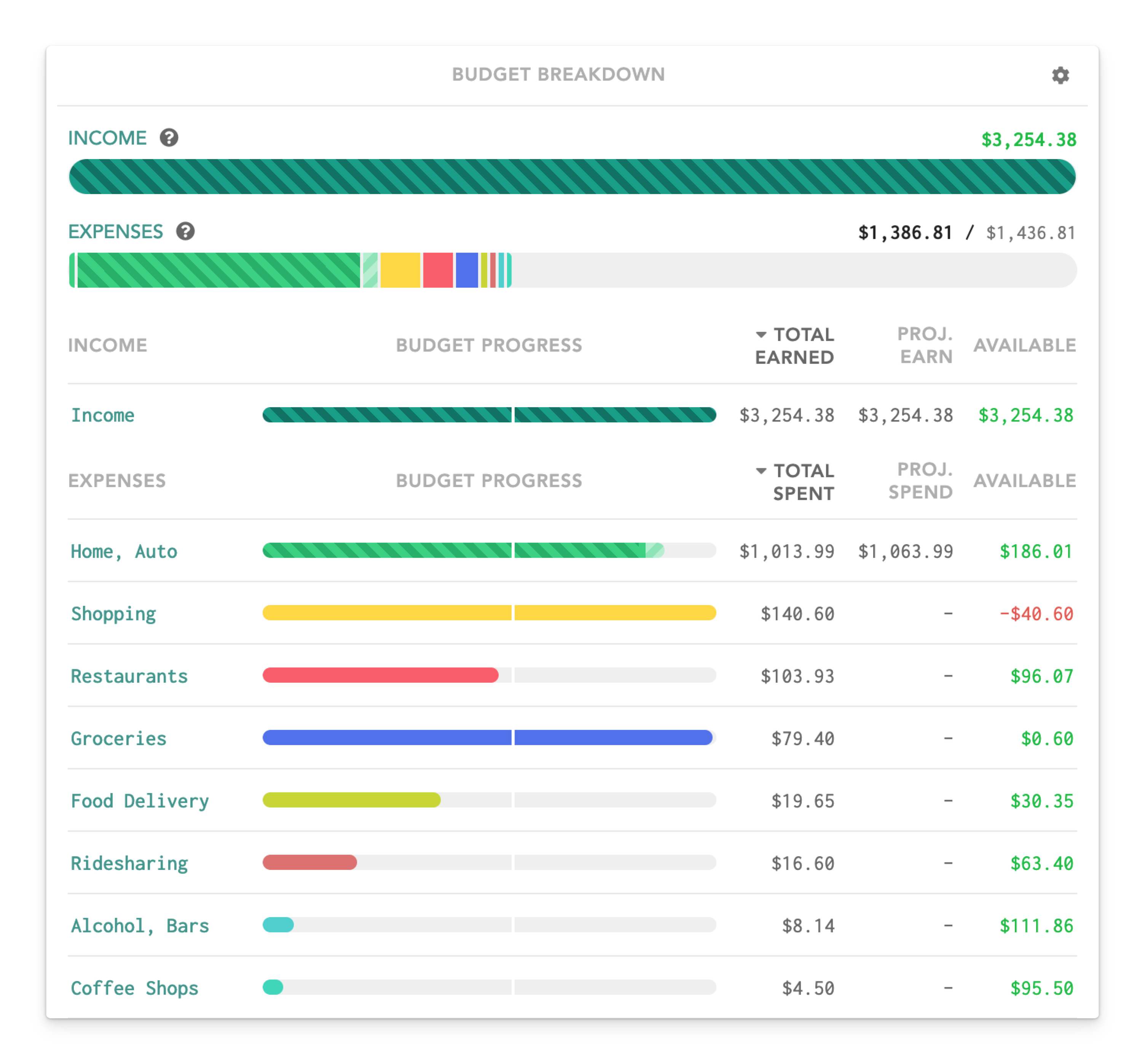
Pro tip: By setting your budgets and categorizing your transactions in Lunch Money, you can see your progress in the spending breakdown on the Overview page. If you’re trending over budget, you can make adjustments to your spending in real time.
7. What’s the total cost of ownership?
Many purchases continue to cost money after the initial purchase. You may need to buy add-ons, subscribe, or perform regular maintenance.
Before buying the item, consider the full cost of ownership. Add those costs to your budget, perhaps as a sinking fund, and ensure you are comfortable with the additional expenditure. It might be worth buying a more expensive item if the maintenance costs less over time. For example, a rechargeable item might cost less overall than one that needs batteries.
Do the math to figure out your actual costs.
8. Will this purchase solve a problem or create another?
Consider where you will store the item and whether you have time for maintenance or cleaning. For example, we bought a robot vacuum, but no one ever takes the time to empty it, and I don’t like it sitting in the corner. In the end, we just continued vacuuming the old-fashioned way, and the money we spent was ultimately wasted.
A lot of people buy recreational vehicles that end up needing a trailer and a big truck to tow them around. You also need helmets and boots to ride them safely. What started out as one purchase turns into many.
Summary
When you take a moment to assess the true need, long-term value, and total cost of a purchase, you’re far less likely to end up with clutter, debt, or buyer’s remorse. Review these eight questions before you buy. With a bit of extra thought up front, you can ensure that your financial decisions support your long-term goals, and not your short-term wants.