Budgeting should be easy: money comes in, money goes out. Track it. Done. So why do 85% of American adults who have tried budgeting still struggle to stick with it?
If you’ve started (and restarted) budgeting more times than you can count, you’re not alone. Most people fail at budgeting not because they’re bad with money, but because they’re missing a few key pieces.
In this guide, I’ll break down three common reasons your budget isn’t working and how to fix them. With the right approach, budgeting will begin to feel clear, flexible, and surprisingly stress-free.
Why your budget isn’t working
1. You’re tracking, not budgeting
Tracking your spending is helpful, but it’s not budgeting. The key difference is that tracking focuses on the past. It helps you see where you’ve been, but it doesn’t show you a path forward. It doesn’t indicate progress toward your financial goals.
Budgeting, on the other hand, is focused on your future. It helps guide your decisions before you spend, and not after.
2. You aren’t preparing for recurring or irregular expenses
The most common reason I hear for not budgeting is, “I made a budget, then something unexpected came up and ruined it. Budgeting is pointless.” Does this sound familiar? It’s discouraging to spend time and effort creating a spending plan and then have it messed up by an unplanned expense.
Here are some examples of irregular expenses:
- Vacations
- Seasonal sports registration fees
- Unexpected car or house repairs
- Annual insurance renewal
- Property taxes
These costs, and more, can derail your budget, especially if you’re using the “I keep my budget in my head” method. This approach may work for a while, but when a large expense comes up, you may end up having to rely on credit cards for essential expenses.
3. Your budget feels restrictive
Many of us want to spend our money freely. Had a hard day at work? Let’s eat out instead of fixing dinner. See a cute outfit? I’ll put it on my Visa. It’s not much, and I’ll pay it off next month. I could go on about camping gear, tech gadgets, hobbies, home maintenance, or auto maintenance.
But living on a budget doesn’t mean that you can’t eat out, make fun purchases, live spontaneously, or feel guilty all the time. When done correctly, a smart budget doesn’t take away your freedom; it gives you more of it.
Budgeting aligns your spending with your priorities. Because you’ve already made a plan that covers your expenses and set money aside for savings, you can enjoy dinner out, buy that new outfit, or invest in hobbies without wondering if you’re getting yourself into hot water financially.
Keys to budgeting success
We’ve now established that a sound budget optimizes your money to help you accomplish your financial goals and makes room for fun and spontaneity. It lets you spend without worrying about jeopardizing essentials, because you know it’s in the plan.
If you’re doing this for the first time, here are some steps you can take to make sure budgeting becomes a rewarding experience.
Assign every dollar a job
You may have heard this expression before, and it’s true. Assigning every dollar to a category is a key to effective budgeting. This approach is often referred to as zero-based budgeting, because you start your budget at zero every month, and you give every dollar a job until you reach zero again.
Before you spend, decide what matters most, what needs to get funded, and what fun or flexible spending you want to include. If you complete this process and still have money left over, you have a few options. You can either increase your spending amount in one or more categories, make additional debt repayments, or boost your savings. Or, you can do a combination of all of these things.
Assigning every dollar a job guides your choices with clarity, something tracking alone cannot do.
Be patient: budgeting is a journey
If assigning your money is the key to budgeting, being patient with yourself comes next. It takes time to create a system that reflects your needs, lifestyle, and goals. You are a complex person with many facets, and your budget will be too.
The good news is, your budget is highly adaptable. It allows you to move money between expense categories as needed. If an unexpected expense arises, you can adjust your budget. It might require you to dip into your savings or cut back temporarily.
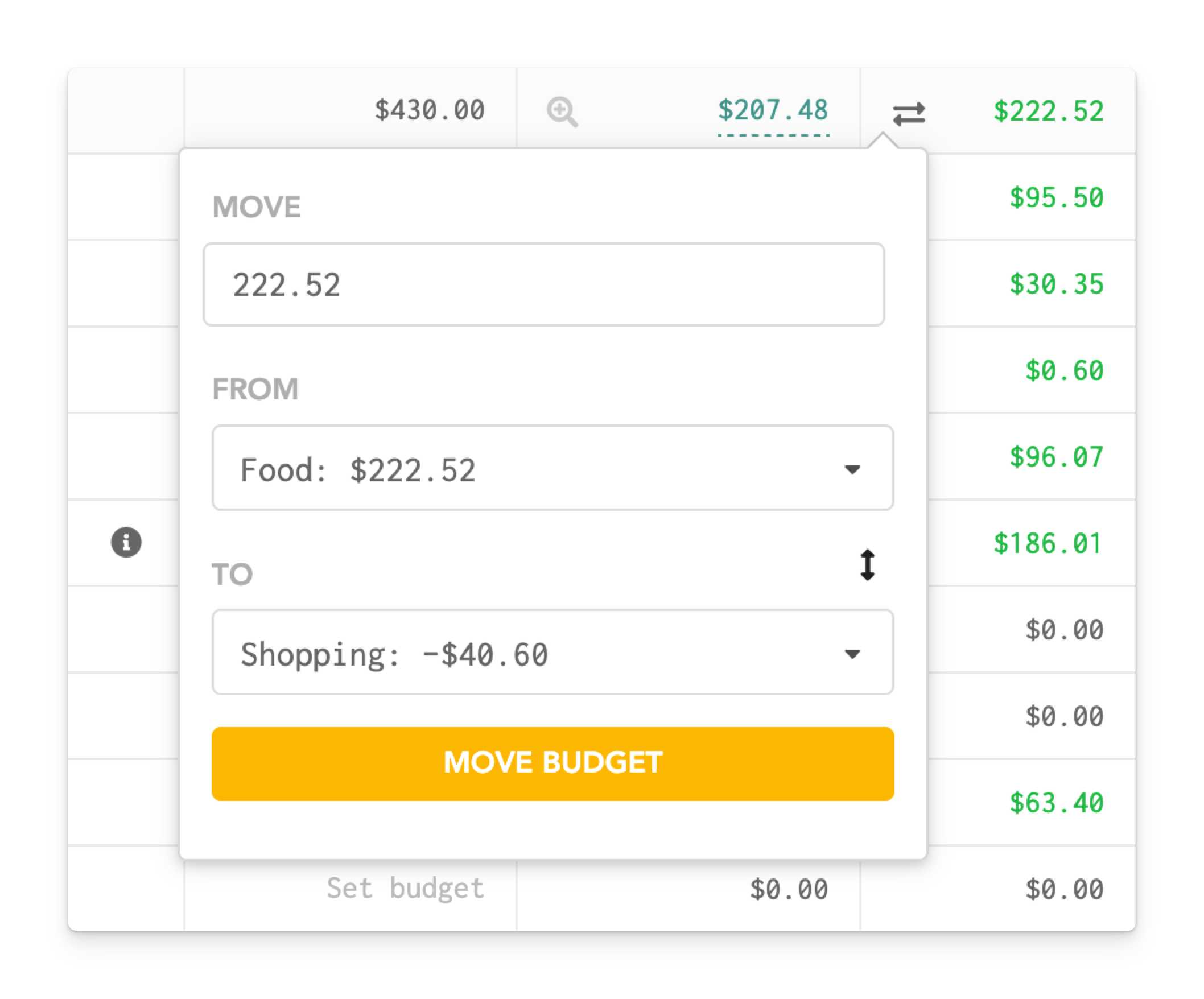
If so, include that expense in next year’s budget. For example, a $120 softball league fee becomes just $10 a month when saved over a year. Next summer, it’s no longer a crisis. If getting coffee every morning or eating out occasionally is important, include it in your budget. It’s great to spend knowing it’s how you want/planned to spend without risking anything.
Use a great budgeting app
You can budget with a notebook or spreadsheet, but most people don’t stick with it. Not because they don’t care, but because manual budgeting is so time-consuming. It’s also easy to forget and hard to keep up when life gets busy.
That’s where a budgeting app comes in.
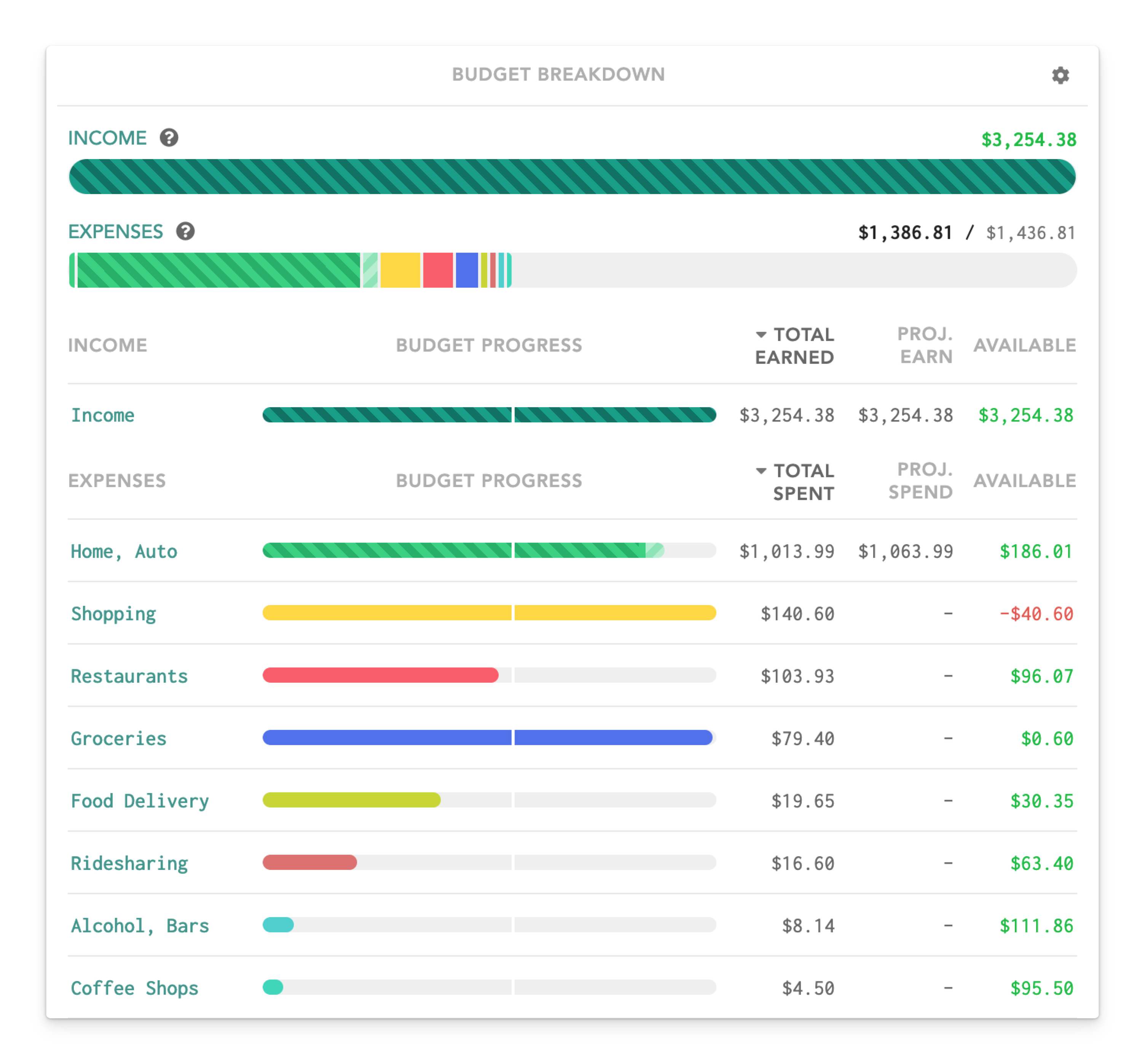
A well-designed budgeting app doesn’t just track your spending; it supports every step of the budgeting process. Gone are the days of manually recording your transactions. A good app imports your banking transactions for you, so you can focus on making money decisions instead of data entry. It can also give you a real-time snapshot of where your budget stands, help you prepare for irregular expenses, and reduce stress.
Now that you know what a good budgeting app should do, let’s look at how Lunch Money puts those pieces together in a clean and intuitive way.
Why Lunch Money is the perfect partner
Lunch Money makes it easy for you to create a budget you can stick to. In addition to other great features, it can automatically import and categorize your bank transactions, so you can quickly view your income and expenses without the manual work.
As the month progresses, Lunch Money eliminates the guesswork and shows you how much you have spent and how much you have left to spend in each category. Having access to real-time data ensures that you use your money for what matters.
You can also set custom cadences to help you plan for recurring items, so your money is available when you need it. And rollovers let you keep a running total of your savings for any category.
These are just a few Lunch Money features. Whether you’re new to budgeting or want to restart, Lunch Money will help you succeed in your budgeting journey.