
10 Ways to Save on Groceries
It’s no secret that groceries are expensive right now, But with a little planning and some smart shopping strategies, you can stretch your grocery budget like a pro. To help, here is a list of ways to save on groceries!
1. Use store loyalty programs
If you’re not using your grocery store’s loyalty program, you’re basically walking past free money every week. These programs are almost always free, and once you join, all you have to do is scan your store membership card or enter your phone number at checkout, and the discounts are automatic!
Yes, they are tracking your shopping habits, but they were probably doing that anyway, so you may as well get something out of it.
2. Download the store’s app
Many grocery stories hide their best deals inside their apps like its a treasure hunt. Some discounts are “app-only”, so it’s a good idea to have the store app on your phone while you shop. This way, you won’t miss a coupon
Pro tip: When you see a sale tag, look closely to see if it’s an in-store coupon or an app-only coupon. If it’s in the app, take the extra step to ensure you get that extra discount.
3. Shop the sales
Grocery stores love a good “loss leader”. These are items that the store actually loses money on, all to get you through the door, hoping you’ll grab a few extra things along the way.
Take advantage of these deals! Just don’t get hypnotized by items you wouldn’t otherwise buy just because you are in the store.
Notice that beef goes on sale every couple of weeks and chicken once a month? If you can, buy enough to get you through until the next time it’s on sale.
4. Meal plan and cook in batches
Planning your meals around what’s on sale is one of the easiest ways to save. If chicken is on sale this week, plan a few extra chicken recipes. Meal planning also helps you be more efficient at the grocery store. If you know what you will be cooking this week, you can buy what you need and nothing else.
Cooking in bulk can help you save on food in two ways. Got a giant bag of potatoes? Make a big batch of soup or roast so that nothing goes to waste. Having that extra food in your fridge gives you some ready-made meals so you won’t be tempted to get delivery.
5. Shop your pantry
Before you hit the grocery store, take an inventory of your pantry. Chances are, you can make a couple of meals with what you already have. Build a meal plan around that, and then make a grocery list of what you actually need. This will help you spend and waste less, saving you a lot of money.
6. Buy in bulk
If something has a long shelf-life, like paper items and canned goods, you can buy it in bulk from wholesale stores like Costco or Sam’s Club, if you can.
The upfront cost can feel steep (going from a $10 pack of toilet paper to a $25 mega-pack can feel like a hurdle to get over, but it pays off quickly, as there is usually a steep discount when looking at the per-piece cost of buying in bulk.
If you save even $10 on 10 items that you start buying in bulk each month, that’s $100 in savings. If you have a fluctuating income or your budget is tight, just start with one item at a time and build from there.
7. Shop at discount grocers
Many discount grocers will sell items that are close to, or past, their best buy date and sell them at a steep discount. Most of the time, these foods are still perfectly good.
Just be choosy, and pick items that are well packaged and that you plan to eat soon. With a little attention, you can find some great deals at discount grocers.
8. Avoid convenience
Pre-cut cheese, fruit, and meats are convenient, but you pay a high price for this added level of service. The more chopping and prepping you do yourself, the more you save.
9. Shop on weekdays
Many grocery stores will mark down produce and meat on Tuesdays and Wednesdays to make room for the next shipment. Getting in the habit of shopping on the days when items are marked down is a great way to save money on things you’d buy anyway.
10. Shop online
If you find yourself tempted to go off list at the store, shopping online might be a game-changer. Grocery stores are experts at getting you to impulse shop. But by shopping online, seeing that shopping cart total add up in real time can make it easier to avoid tossing in those “just in case” snacks.
Pro tip: If you’re a Walmart Plus or Amazon Prime member, you can get free shipping on your grocery order.
How Lunch Money can help you save on groceries
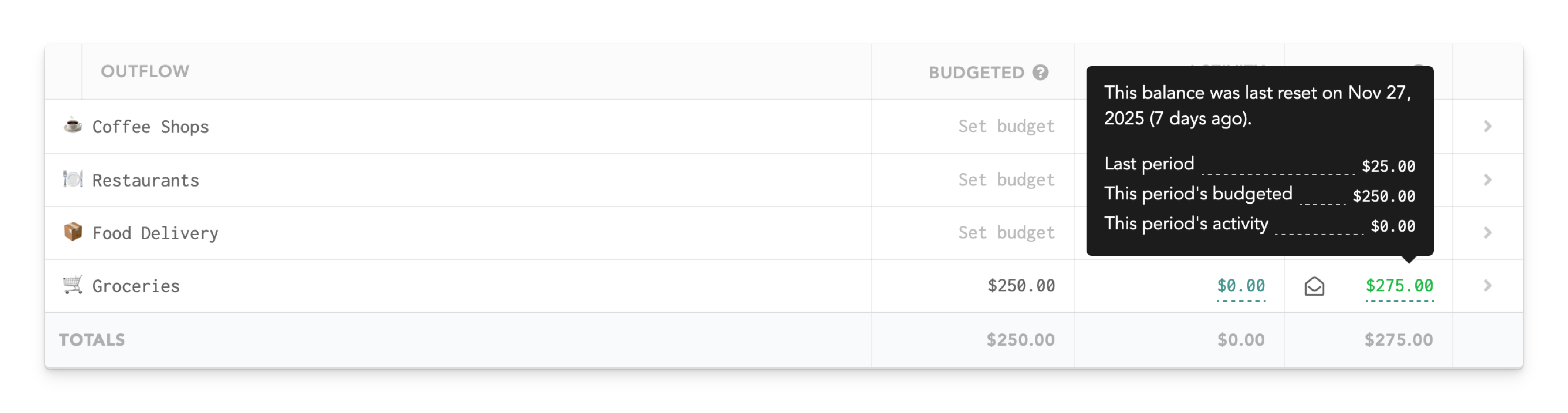
Staying on top of your grocery spending is so much easier when you know where your money is going. Lunch Money makes this simple, whether you budget by month, by week, or by paycheck (yes, we do that!) For example, you can set your weekly grocery budget to say, $250. But, if you only spend $225, that extra $25 will roll over to the following week, giving you $275 next week.
Summary
Grocery prices are higher than ever, but a few good habits can help you live within your means without sacrificing the meals you love. Pair these habits with a budgeting tool like Lunch Money to stay aware of your spending and make your grocery budget work harder for you. Start your free 30-day trial today and see how Lunch Money can help you save! Remember, small changes can add up fast.