When it comes to saving money, a lot of “common wisdom” gets repeated so often that it starts to feel like fact. But many of those frugal rules don’t hold up in real life.
From always buying the cheapest option to skipping on maintenance, money choices aren’t always as simple as they sound. Let’s bust some frugal living myths and talk about what works better instead.
1. Buying the cheapest option always saves money
It seems logical: the lower the price, the higher the savings. But that only works if the item lasts.
If it’s something you’ll use often or keep for a long time, paying more upfront can actually save you money. A $20 pair of shoes may only last a few months, while a $100 pair of shoes could last for years. Also, having higher-quality items makes using that item much more enjoyable.
Using the shoes as an example, they will likely be more comfortable to wear and do less damage to your feet.
2. DIY is always cheaper than hiring a pro
A few years ago, we had some water damage around the side door to our house. A professional quoted $500 to replace the wood framing around the door, but we thought we could do it ourselves.
We spent $750 and an entire weekend repairing the door. Worse yet, it no longer opens properly. Eventually, we’ll still have to hire a professional to fix it before we sell the house.
DIY can absolutely save money if you know what you’re doing or are willing to risk learning.
But if you just want it fixed correctly, hiring a pro might be the best option.
3. Coupons are the best way to save
Coupons can save you money… if you were already planning to buy them. On the other hand, spending less money on something you weren’t planning on buying isn’t really saving money. It’s still spending more than you intended.
Sales and coupons are great tools. Just make sure they’re supporting your spending decisions, not making them for you.
4. Cutting out “little treats” makes the biggest difference
Who doesn’t love a little treat?
Yes, long-term goals matter, but we also need to live our lives. If grabbing a coffee on the way to work or a small online purchase brings you joy, then by all means, go for it. The real danger is burning yourself out by removing even enjoyable expenses.
If you don’t include any fun in your budget, you’ll give up on it altogether, and that’s when your progress will really stall.
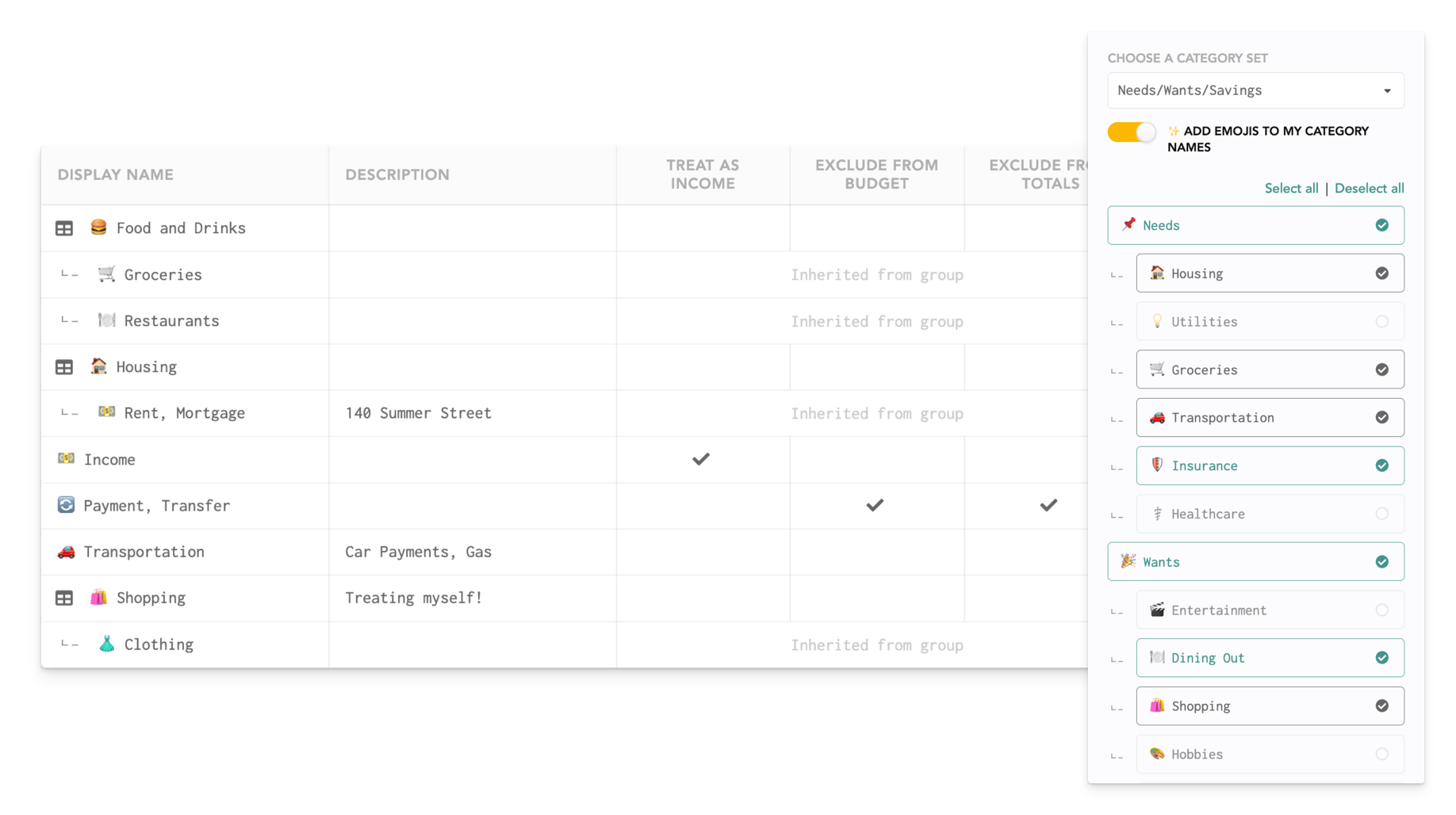
The secret is to find the right balance for you, and Lunch Money can help. It offers unlimited budget categories, so you can create a dedicated “little treats” category for an amount that lets you enjoy yourself while still achieving your long-term goals.
5. Buying in bulk always saves money
Just like coupons, buying in bulk can seem like a great way to save money. And it is, if you use your judgment and don’t apply this “rule” evenly across the board.
For example, buying two dozen bagels might be cheaper per bagel than buying six. But if you can’t eat 24 bagels before they go bad, then is it really cheaper? You might end up spending more overall if you throw half of them away.
You also need room to store the bulk items. It doesn’t make sense to save $2 on toilet paper if you have to use the packaging as an ottoman because you don’t have a place to put 36 rolls of T.P.
6. You need a super strict budget to get ahead
The point of following a budget is to ensure you are meeting your long-term goals. If you don’t need a strict budget to do that, then you’re wasting your time.
The 50/30/20 budget is great for people who don’t care to track every dollar they spend. It ensures they save 20% of their income while allowing a generous “spending” category that doesn’t need to be tediously tracked.
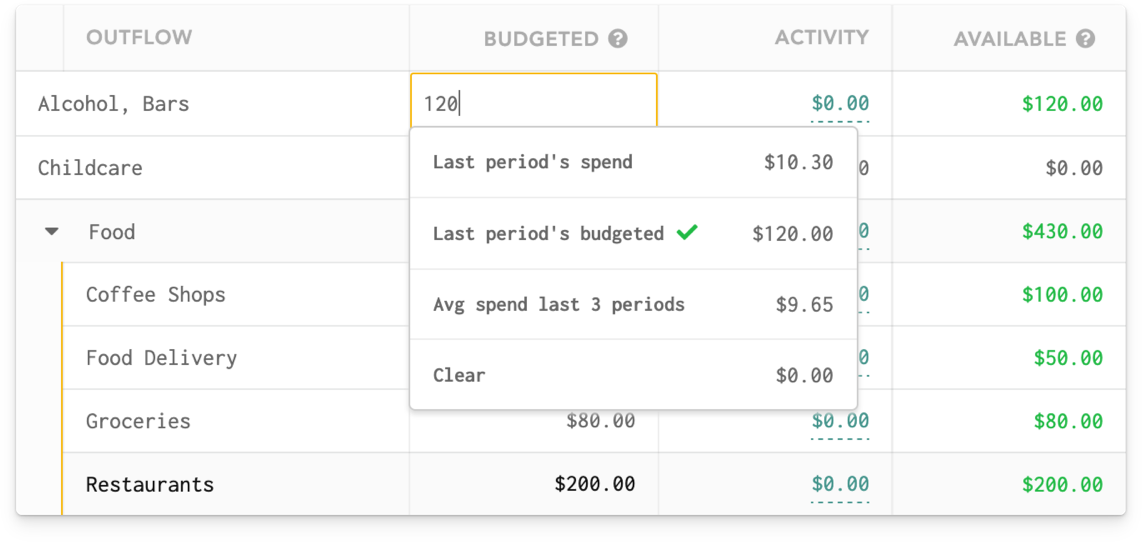
Your budget only needs to be as strict as you want it to be. Lunch Money is super flexible and supports several different budgeting methods, including zero-based budgeting, envelope (virtual), and the pay yourself first approach. Just like with the “little treats,” if you end up hating your budget, you may give it up completely, and that’s not going to serve you in the end.
7. Brand-name products are always a waste
Anytime you hear a rule that includes the words “always” or “never”, you should be suspicious. Buying generic products can be a great way to save money, but of course, this isn’t always true.
Some products, such as medication, are heavily regulated, and generic versions are essentially the same as the name brands. Those can be great places to save money. But oftentimes, the generic brands simply aren’t as good.
Try out the generic brands of your commonly bought items, but if you prefer the name brand, then buy that and don’t worry about it.
8. Frugal living means never upgrading anything
Mass marketing would have us believe that we must upgrade everything we own at least once a year. We all know this isn’t true, but on the other extreme, never upgrading anything can also cost you money.
Technology changes quickly, and sometimes you can upgrade to a new model that offers more features, requires less maintenance, or uses less energy. For example, replacing an old fridge with one that uses less electricity may save you money in the long run.
Another example, my husband drives an old truck that is terrible on gas. There could certainly be a situation where it would make sense for him to get a newer, more fuel-efficient vehicle.
9. Skipping maintenance saves money
It’s so tempting to skip maintenance when the item is running perfectly, but this can lead to major repairs later.
Systems around your home are good examples of this. For example, not following maintenance schedules on your heating and air conditioning (HVAC) units could cause them to fail. This can turn a simple repair job into a full replacement.
Plus, failure usually comes at just the moment you need the system the most. This can mean paying additional labor charges for rush jobs or after-hours fees.
10. Loyalty to one store always results in savings
A company’s favorite customer is the one it can steal from a competitor. We’ve all seen specials for “new customers only.”
It’s rare for a company to reward loyalty, so it’s essential to shop around for all your services. Set reminders in your calendar to shop for services such as insurance, cell phone service, and internet.
But also shop around for prices for your regular service providers, such as hair stylists, nail technicians, massage therapists, and dog groomers. Also, don’t get in a habit of using the same plumber, handyman, landscaper, etc. When you need a job done, call a few companies and get quotes. You never know what you might find.
Final thoughts
Frugal living often requires balance. Living by strict rules that don’t work for your life can make you hate managing money, and if you hate it, you will avoid it. And avoiding your money is one way to make sure you never reach your goals.
Instead, you have to find what works for you. Buying little treats, upgrading your items when it makes sense, and buying name-brand items can help you build a healthier relationship with your money, leading to better decision-making.
The key to frugal living is making intentional decisions that further your long-term goals.
FAQs
What is the difference between being frugal and being cheap?
Being frugal means spending with intention. It means spending on what brings you joy and avoiding spending on things that don’t. On the other hand, being cheap means spending the least amount possible, no matter what.
Are loyalty programs worth it?
Sometimes loyalty programs are worth it. If the loyalty program is free, then there is no harm in signing up and enjoying a perk now and then. However, if you have to pay to be a member, such as Costco or Amazon Prime, then track your rewards carefully to make sure you are getting the benefit.
Is buying secondhand always a better value?
It depends. Buying secondhand is a great way to save money. You can often get high-quality items for a fraction of what you would pay at the store. However, you need to think carefully. Not everything is better secondhand. Personal items, for example, should be bought new. You may also want to buy new if it’s an item that needs a lot of maintenance, as you don’t always know how it was treated by the previous owner.
How can I decide whether to upgrade or repair something?
You’ll want to compare the repair cost to the item’s remaining life. For example, it may not make sense to spend $500 to repair a $1,000 item if there are only six months left of life in it, even after the repair. If you have to replace it soon, even if you repair it now, it may be better to just get a new one.