
Moving into your first apartment sounds exciting until you realize how many expenses come with it.
It’s easy to only factor in your rent amount when you’re planning to move out, but other costs like security deposits, moving expenses, and pet fees can quickly add up. Underestimating the full cost of living on your own can lead to stress, credit card debt, or even moving back home.
This guide breaks down the real costs of moving out, how much you need to save, and how to test your budget so you know you’re financially ready.
The true cost of moving out (not just rent)
When you move out, there are usually more expenses to plan for than just rent. Depending on your situation, move-in expenses can also include:
- First month’s rent
- Last month’s rent (in some cases)
- Application fees
- Security deposit
- Pet fees
- Movers or a moving truck rental
A helpful rule of thumb is to save three times your monthly rent before moving in. For example, if your rent is $1,000, try to save at least $3,000 to cover deposits, fees, and moving costs. This way, you won’t have to rely on credit cards.
Lunch Money can also help you plan for these extra costs. You can create a dedicated “Move-In Costs” budget category to track each expense and calculate the total amount you’ll need upfront. Having that number ahead of time will help you avoid surprise costs and make moving less stressful.
Your real monthly living expenses
Along with your initial move-in costs, you should also account for any new expenses you’ll have once you’re living on your own.
Core living costs
Start by estimating your primary bills — rent will likely be your largest expense. In general, housing is considered affordable if it costs less than 30% of your gross income (before taxes and deductions), according to the U.S Department of Housing and Urban Development.
You’ll also need to budget for utilities, including electricity, gas, water, sewer, and trash. Internet service is another commonly overlooked expense, and you may need it for work or school.
Groceries can also be higher than expected, especially if you’re used to sharing food costs with family or roommates. Be sure to include household items like paper towels, detergent, and spices — not just food.
Transportation and insurance
Transportation costs are basically invisible until they hit your bank account. However, by calculating them in advance, you can prevent these expenses from throwing off your budget.
If you have a car, think about how much you typically spend on gas and auto insurance each month. It’s also smart to set aside some money for maintenance, like oil changes, tire replacements, or unexpected repairs.
If you rely on public transportation, be sure to include the cost of monthly transit passes or regular fares in your budget.
Most landlords also require renters insurance. Policies are typically very affordable, but it’s still a recurring expense you’ll want to account for.
Lifestyle costs
While you should always plan for fixed expenses, it’s just as important to plan for fun. Be sure to include discretionary categories in your budget, like subscriptions, entertainment, and dining out.
You may also want to create a miscellaneous category for expenses you don’t always expect, such as random Amazon purchases, birthday gifts, or last-minute plans. Having a catch-all category can keep surprise costs from derailing your budget.
Lunch Money automatically categorizes your transactions and lets you customize categories for more realistic planning. This makes it easier to stay organized and track your spending throughout the month.
Why you need a one-month emergency buffer
Moving out without an emergency fund can be risky. If anything unexpected comes up, like a car repair or medical bill, you might end up relying on debt to cover it.
By building an emergency fund, you can be prepared for any surprises. I recommend saving at least one month of living expenses before you move out. That way, if something happens, like you get laid off, you have a buffer while you get back on your feet.
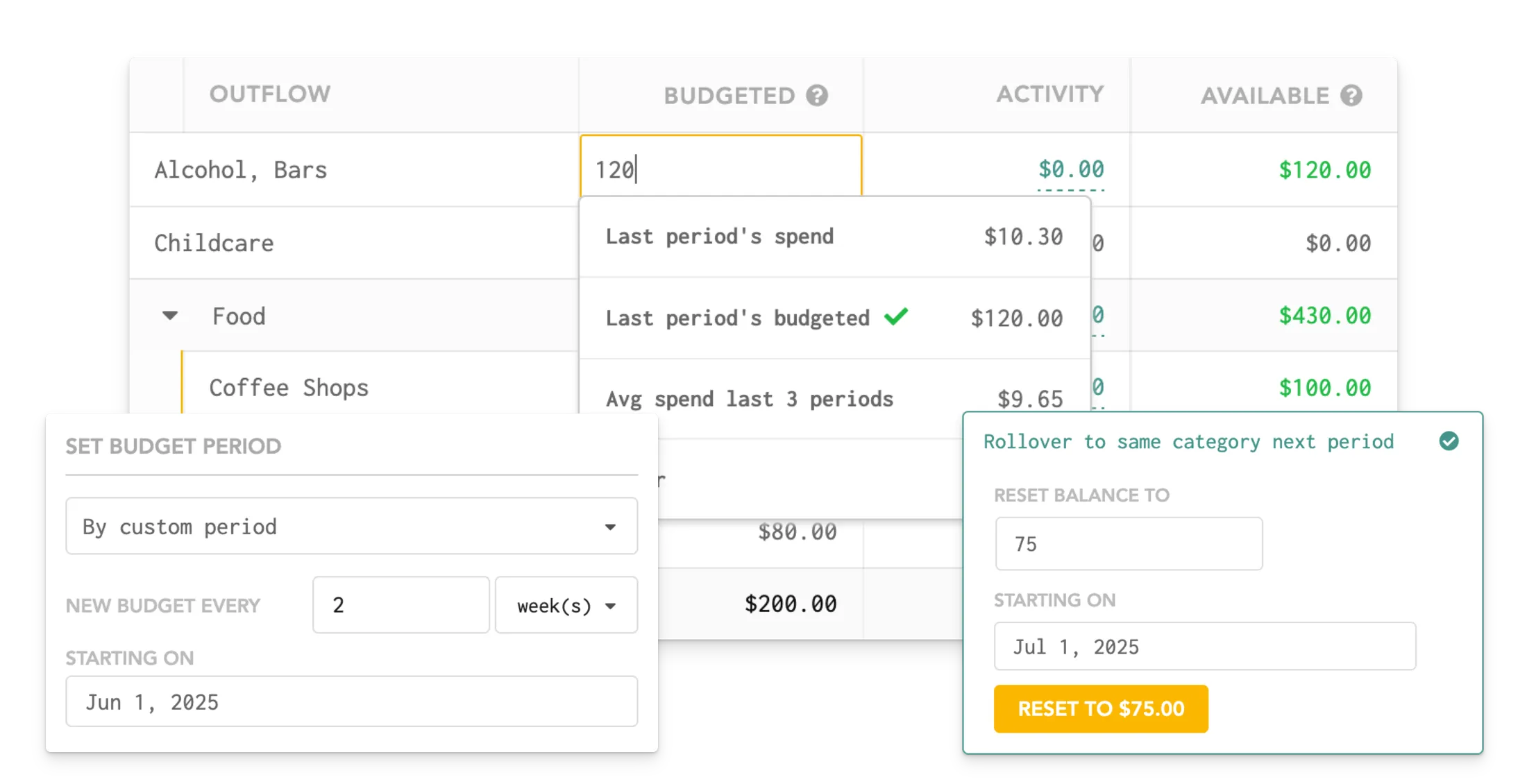
A simple way to start saving is by using Lunch Money’s budget rollover feature. If you don’t spend everything in a category during your current budget period, like dining out or entertainment, you can let the extra money roll over into your dedicated “Move Out Fund” for the next period.
Create a “practice budget” before moving out
One of the best ways to know if you’re truly ready to move out is to test your budget first. A practice budget means planning your finances as if you’re already living on your own.
Set aside money for expenses like rent, utilities, groceries, and subscriptions, even if you’re not paying those bills yet. Instead of spending that money, save it in a separate account so it’s ready when you do move out.
This approach can help you see what your day-to-day life will feel like when you live on your own. If the practice budget feels manageable, you’ll feel more confident actually moving out, and already have some savings built up.
A realistic example budget
To see how this all comes together, here’s an example of what a monthly budget might look like for a renter with a monthly take-home pay of $3,000:
Housing: $1,280
- Rent: $1,000
- Utilities (electric, gas, water, trash): $200
- Internet: $60
- Renters insurance: $20
Food: $500
- Groceries: $350
- Dining out: $150
Transportation: $220
- Gas: $70
- Car insurance: $100
- Maintenance and repair savings: $50
Lifestyle and miscellaneous: $400
- Subscriptions: $50
- Entertainment: $150
- Miscellaneous expenses: $200
Savings and debt: $600
- Emergency fund: $400
- Student loans: $200
The only safe way to move out
Moving out isn’t just about whether you can pay rent — it’s about being ready for everything else that comes with living on your own.
Without some savings, a tested budget, and a small emergency buffer, even minor setbacks can quickly turn into credit card debt and financial stress.
When you take the time to prepare, however, you can actually enjoy the independence that comes with moving out. Instead of scrambling to cover bills, you have the flexibility to start saving toward your next goal — whether that’s traveling, building a bigger emergency fund, or eventually buying a home.
Summary
Before you move out, be prepared for more than just rent. Plan for move-in costs, account for new expenses, build an emergency buffer, and test your budget to help avoid financial stress later.
A tool like Lunch Money can make this process easier by helping you track your spending, simulate future expenses, and roll unused money into savings. You can try Lunch Money for free for 30 days to see how it can help you stay on track both before and after you move out.
For more helpful tips on the subject of moving into your first apartment, check out this YouTube video from Lunch Money’s very own Jacob Wade!