Paying off debt is one of the best things you can do for your finances. Less money going to interest means more room in your budget for things you actually care about, like investing, buying a home, or booking that trip you keep talking about.
Two of the most popular payoff strategies are the “snowball” and the “avalanche”. One focuses on knocking off small balances for quick wins, while the other zeroes in on high-interest debt to save you money over time.
Let’s break down both approaches so you can decide which strategy fits your goals and personality.
What is the debt snowball method?
The snowball method is when you prioritize paying off your debts with the lowest balances first, regardless of interest rate. The goal is to quickly eliminate small balances to build momentum.
Here’s an example. Imagine you have the following debts:
- Mortgage: $140,000
- Student loans: $25,000
- Car loan: $12,000
- Personal loan: $8,000
- Credit card #1: $3,000
- Credit card #2: $700
- Buy Now Pay Later (BNPL): $150
With the snowball method, you would pay off the $150 BNPL balance first. Once that’s gone, you’d move to the $700 credit card, then the $3,000 card, and keep working your way up, regardless of their respective interest rates.
You’ll still make the minimum payments on all your other debts. But any extra money should go toward the debt with the smallest balance.
What is the debt avalanche method?
The avalanche method flips the script. Instead of focusing on balance size, you go after the debt with the highest interest rate first, the one costing you the most.
By knocking out high-APR balances early, you reduce the total interest you’ll pay over time and speed up your path to becoming debt-free.
Let’s look at the same debts from before, but focus only on the interest rates:
- Mortgage: 3.5%
- Student loans: 7%
- Car loan: 15%
- Personal loan: 12%
- Credit card #1: 25%
- Credit card #2: 35%
- Buy Now Pay Later: 0%
With the avalanche method, you would start paying the credit card with the 35% APR, since that’s the highest interest rate. After paying that off, you’d move to the next highest rate, credit card #1, followed by the car loan, and so on.
Once again, you’ll still make minimum payments on every debt. Any extra money goes toward the balance with the highest interest rate.
Pros and cons of the debt snowball
Paying off your smallest balances first can give you quick wins that help you build momentum. As each account disappears, your debt may feel more manageable. The snowball method is also pretty straightforward since you don’t need to compare interest rates; you just focus on the balance size.
The main drawback is that the snowball method doesn’t prioritize high-interest debt. That means you may pay more interest overall, and it could take longer to become debt-free than with the avalanche method.
Pros
- More motivating
- Fewer accounts to manage over time
- Easy to implement
Cons
- May result in more interest paid
- Could extend your repayment timeline
- Not ideal for high-APR balances
Pros and cons of the debt avalanche
Targeting the highest-interest-rate debts can reduce the total interest you pay. It may also shorten your overall repayment timeline by eliminating the most expensive balances first.
While the math works out better, the avalanche method doesn’t give you the quick wins that the snowball method does, which can make it harder to stay motivated. It’s also more complicated to track interest rates, and you may have to manage multiple debts for longer.
Pros
- Eliminates expensive balances first
- Reduces total interest paid
- May quicken your repayment timeline
Cons
- Progress may feel slower at first
- Requires tracking interest rates
- Can be less motivational
Which method is right for you?
The snowball and avalanche methods are both effective strategies for paying off debt. The right one for you depends on your balances, interest rates, and personality.
If seeing your progress keeps you motivated, the snowball method can help you stack quick wins and build momentum. Eliminating smaller balances early can also simplify your finances and make your debt feel more manageable.
If you’re focused on minimizing interest and becoming debt-free as efficiently as possible, the avalanche method may be a better fit. It’s especially helpful if you’re carrying high-APR debt, such as credit cards or payday loans, that can grow quickly.
You don’t have to follow one method forever. Some people start with the snowball for early wins, then switch to the avalanche to knock out expensive balances. The most important factor is consistency. After all, the best strategy is the one you’ll stick with.
Tips for paying off your debt fast
Whether you choose the debt snowball vs. debt avalanche method, there are a few ways you can speed up the debt payoff process:
- Avoid taking on new debt. Don’t use credit cards that are already carrying a balance.
- Build a small buffer. Even a month’s worth of expenses in an emergency fund can prevent new debt.
- Set a start and end date. Mark on your calendar when you start paying off your debt and your projected end date.
- Try the envelope method. Also called cash stuffing, this means setting aside cash for each expense to avoid overspending and relying on credit cards.
- Track your progress. Use a tool like Lunch Money to monitor your spending and watch your debt shrink, keeping you motivated.
- Set up autopay. Avoid late fees by enrolling in automatic payments on your accounts.
- Make extra payments. Look for hidden savings opportunities or ways to bring in extra income, which you can allocate toward your debt.
- Celebrate milestones. When you pay off an account or hit a specific debt payoff amount, find a way to reward yourself for your progress.
How to use Lunch Money to pay down debt
Staying on top of your budget can help you pay down your debt faster. When you actually know where your money’s going, you can make smarter spending decisions and free up more money to redirect toward debt.
Lunch Money helps you track everything in one place, instead of manually monitoring your transactions or using a spreadsheet. Once you sync your accounts, Lunch Money automatically organizes your transactions into categories, so you can quickly see your spending patterns and adjust accordingly.
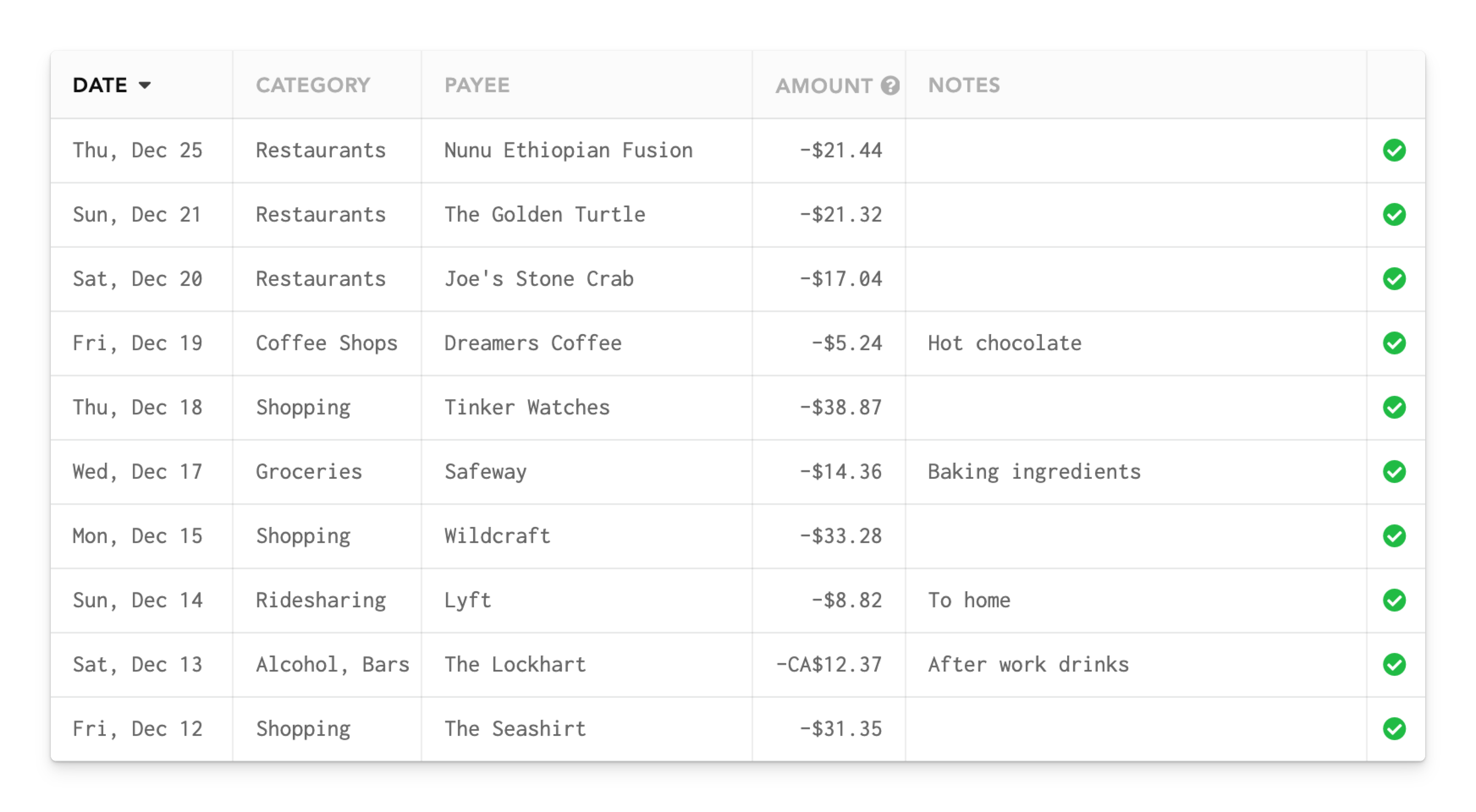
You can also set monthly targets, monitor cash flow, and make sure you’re making your minimum monthly payments. Over time, these small adjustments can shorten your repayment timeline.
Summary
You can crush your debt using either the snowball or avalanche method. While the snowball method can feel more motivating, the avalanche method shortens your debt payoff timeline and saves you money in interest.
No matter which strategy you use, creating a monthly budget is key. With Lunch Money, you can monitor your spending, find places to cut back, and direct more money toward your balances.
Start your 30-day free trial today to start your debt payoff plan!
FAQs
Which method saves more money: debt snowball or debt avalanche?
The avalanche method typically saves more because you pay off the balances with the highest APR first, reducing the total interest you pay.
Is the debt snowball method better for beginners?
For most people, yes. The debt snowball method can build momentum early by eliminating small balances first.
Can I switch between the debt snowball and debt avalanche methods?
Yes. You don’t have to stick to one strategy. Some people start with the snowball method to build momentum, then switch to the avalanche method later to lower interest costs.
What’s the main difference between the debt snowball and debt avalanche methods?
The snowball method prioritizes your smallest balance debts. The avalanche method prioritizes your highest-interest debts.